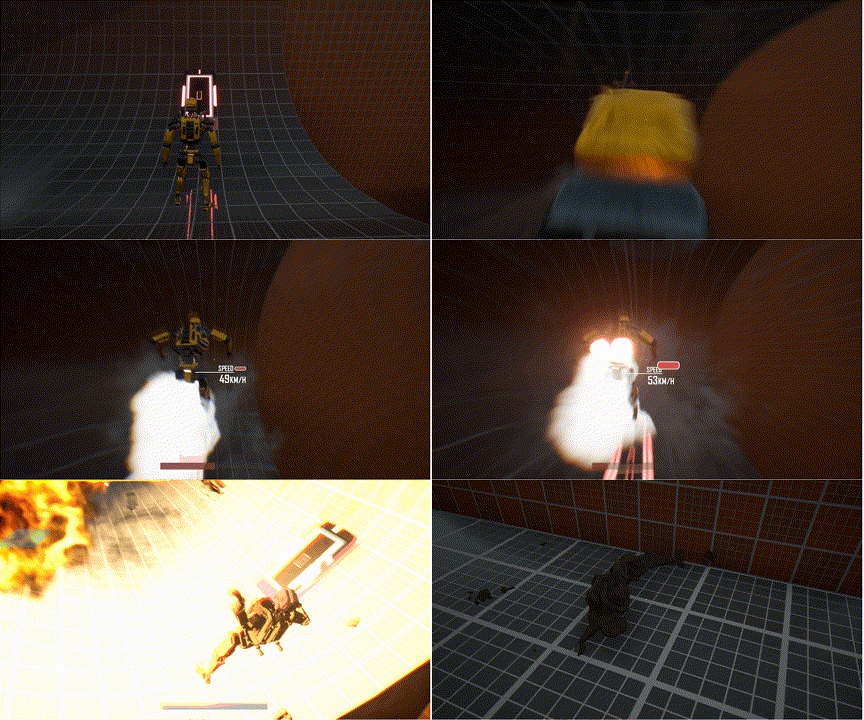
BOUNCEED
3rd-person movement sandbox (jumppad-focused) · Unreal Engine 4.27 · PC
My Role
Technical Game Designer (solo dev)
Project At a Glance


A jumppad-focused traversal game that reframes jump pads from a supporting movement tool into a learnable core system, built around structured tutorials and player-driven experimentation.
Project Information
Type: Course project (ISART Digital Paris, Third-year “3C Project”), later continued as a Gold polish pass
Genre: movement sandbox, jumppad-based experiments
Engine: Unreal Engine 4.27
Platform: PC (Keyboard + Mouse)
Team size: 1
Duration: 6 weeks (course sprint) + ~3 weeks (Gold polish)
Highlights
Public traction: ~160K views, ~10K likes, ~1.4K comments on Bilibili.
Academic evaluation: received a high final grade as a third-year game project.

What I Built
My Contributions
As a solo project, I was responsible for nearly all gameplay-facing systems. My main focus was building a movement-centric sandbox where jumppads act as the core gameplay language, supported by clear onboarding and readable interactions.
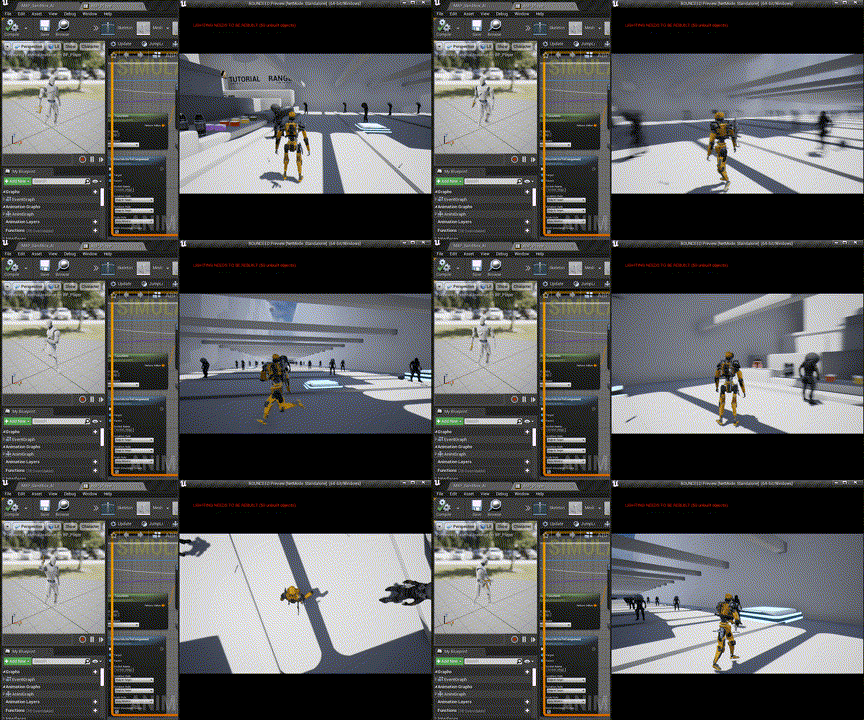
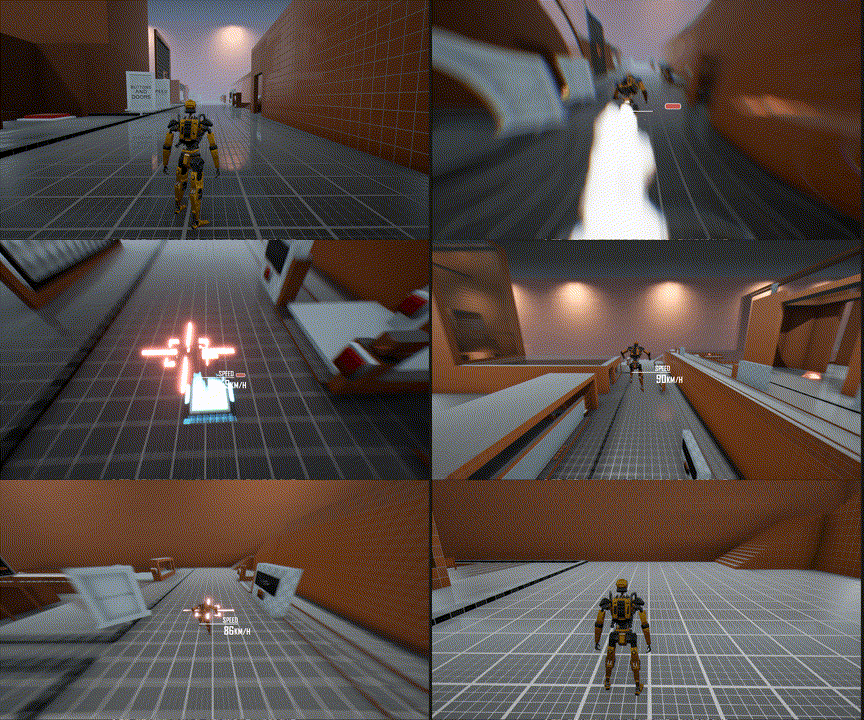
Built the third-person 3C and locomotion foundation, including Animation Blueprint setup and tuning for jump-heavy, high-speed traversal.
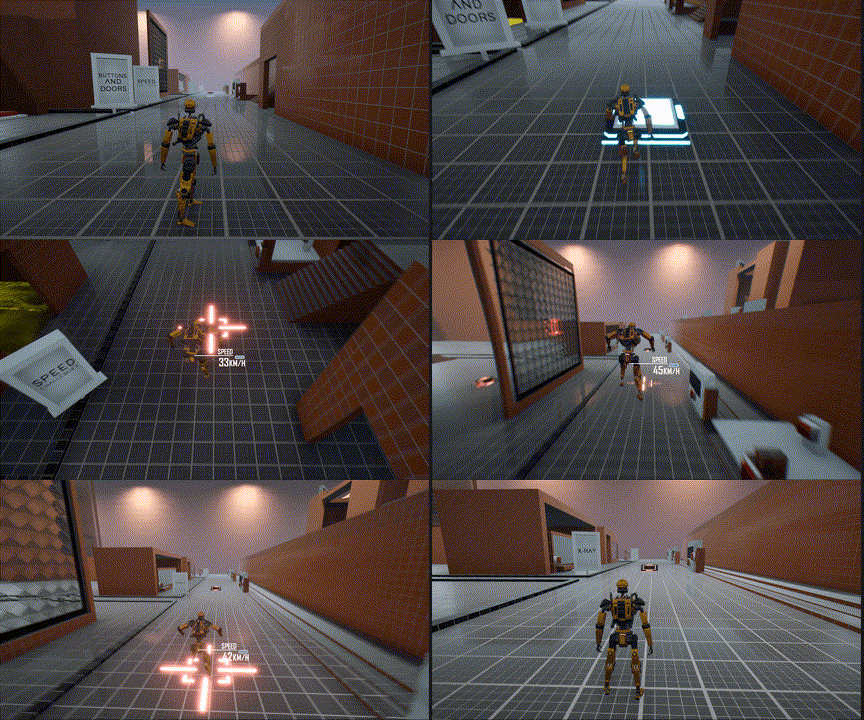
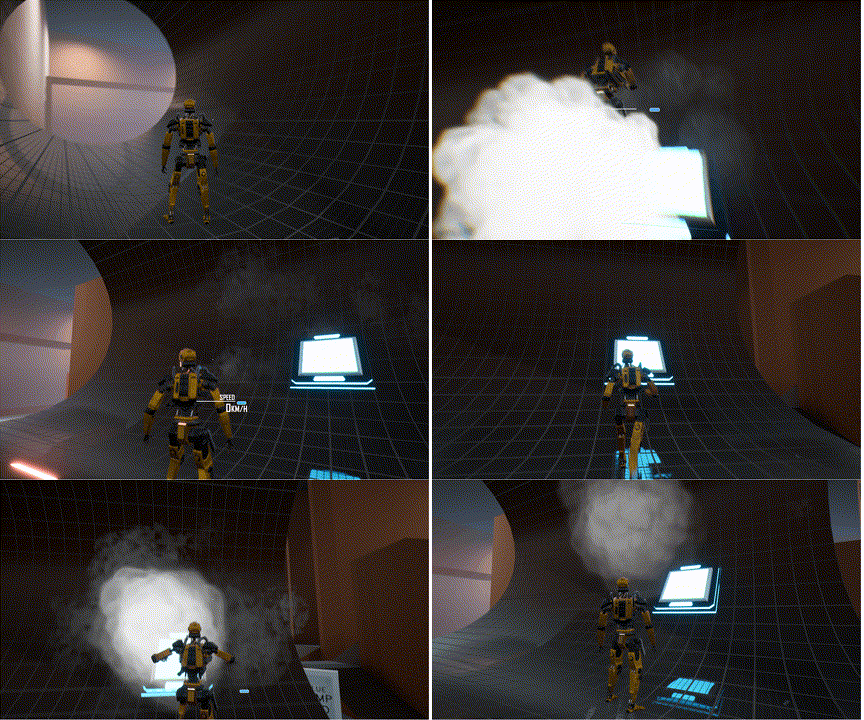
Designed and implemented two placeable jumppads as the primary gameplay brick, each with distinct risk–reward profiles:
Blue JumpPad supports flow, velocity stacking, and rebound-based traversal.
Red JumpPad provides strong, directional launches for deliberate setup.
Defined jumppad rules as part of the gameplay language, including placement replacement and mixed-pad chaining that rewards mid-air alternation with a charged triple jump.
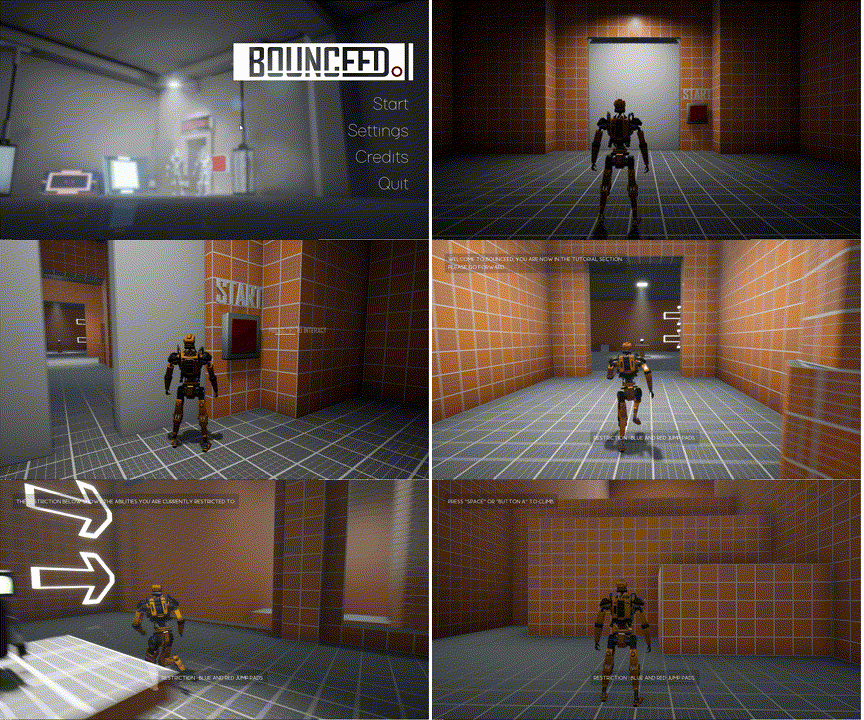
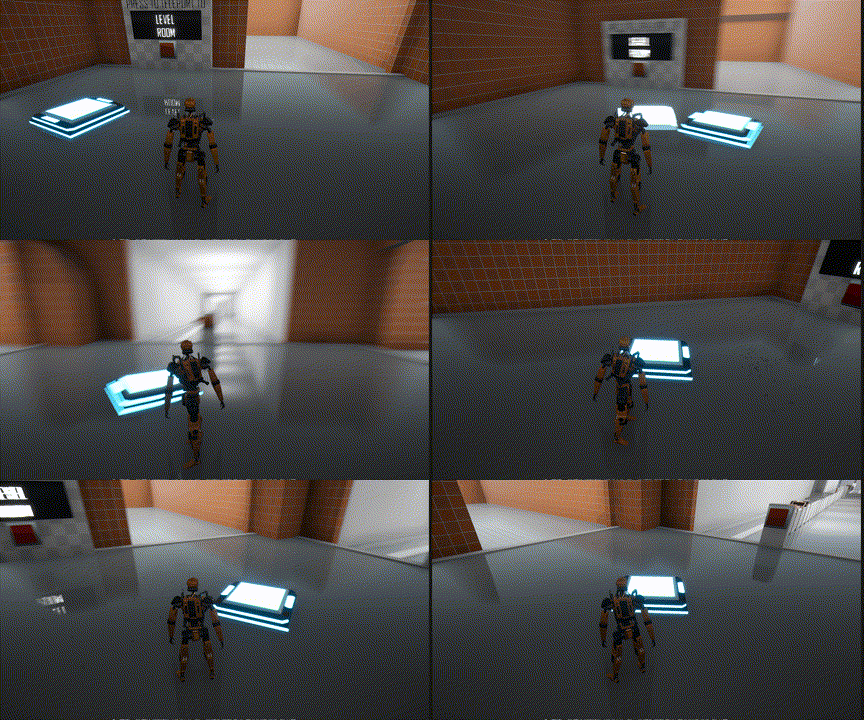
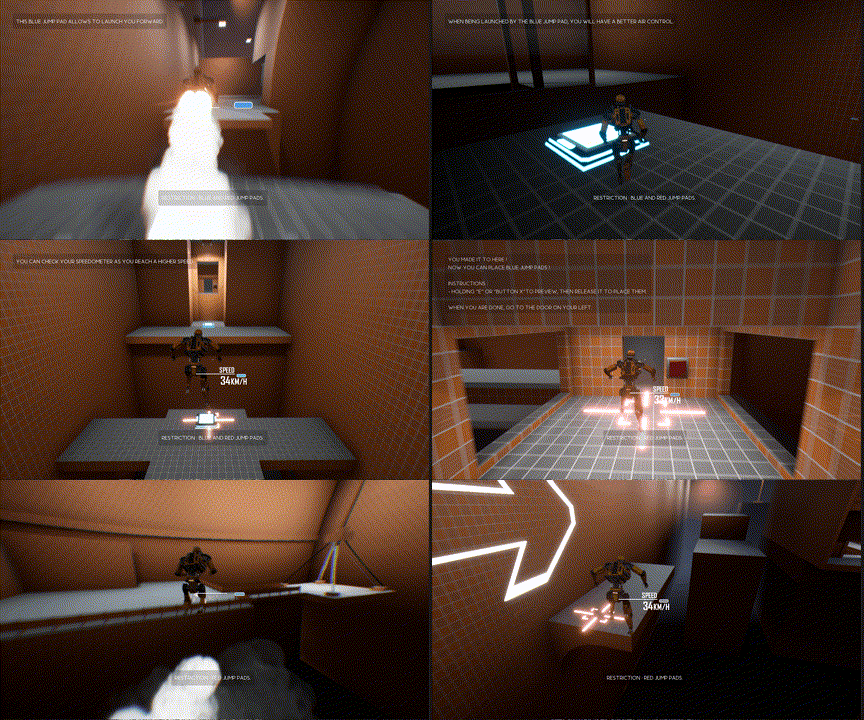
Built a tutorial-first hub structure that teaches movement through “demo, then test” loops before opening into free sandbox exploration.
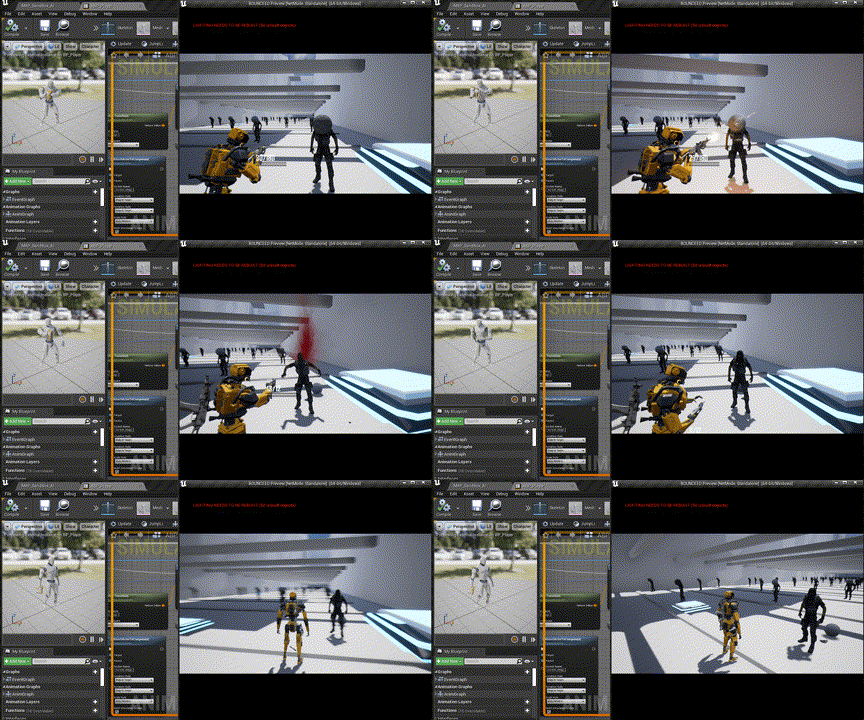
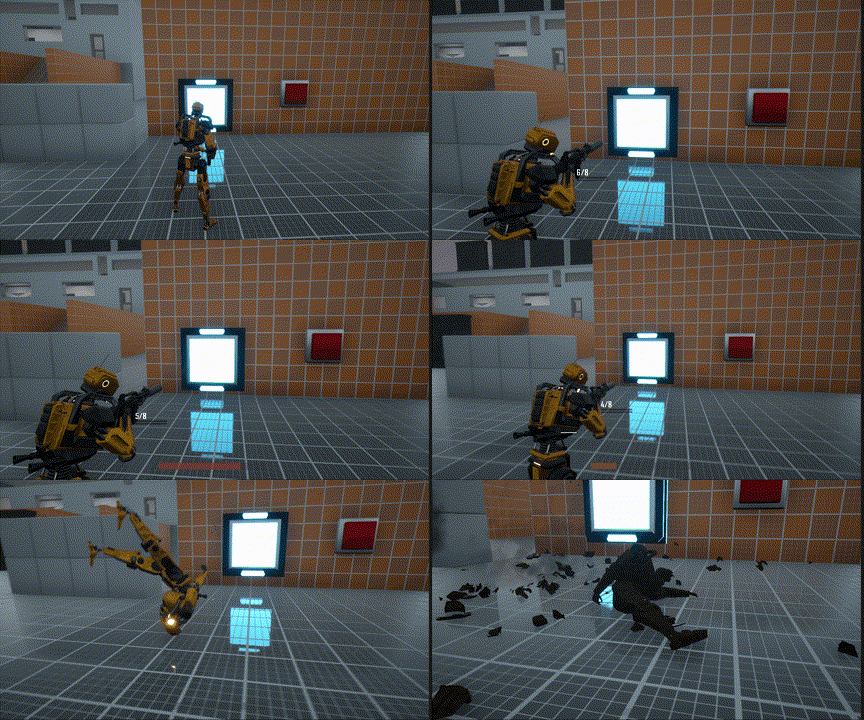
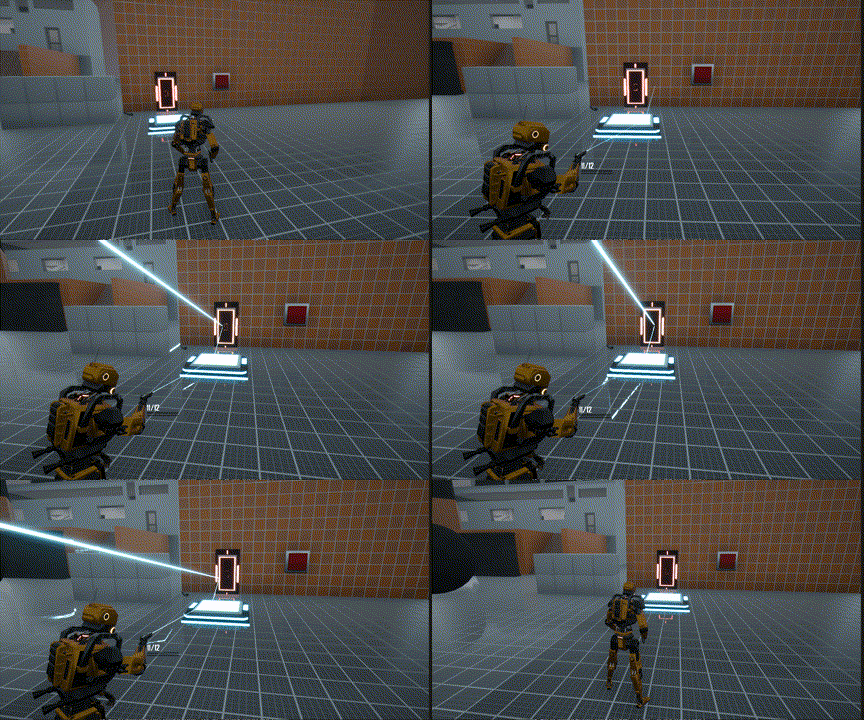
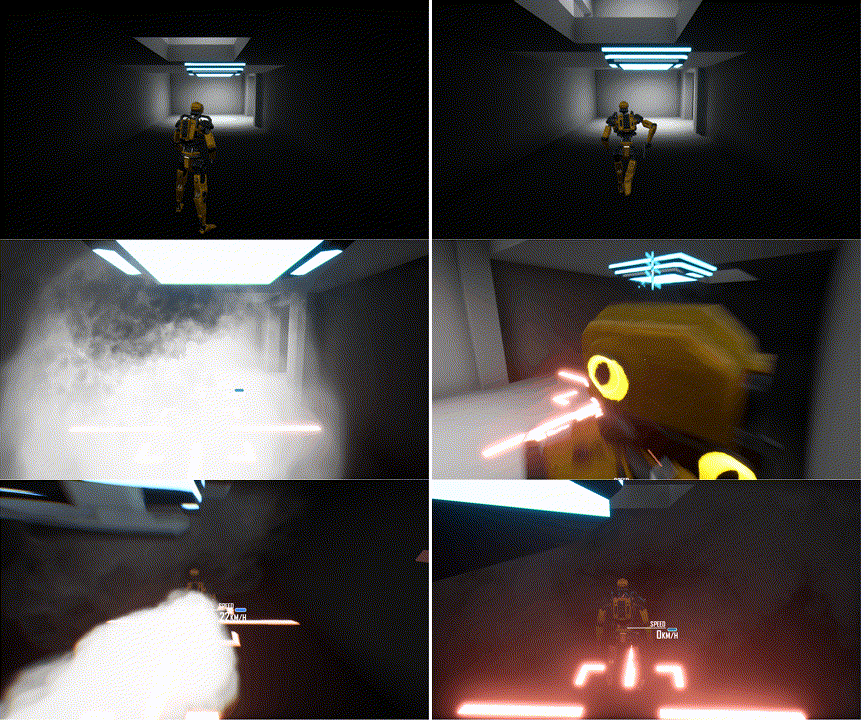
Designed firearms and projectile interactions as a supporting layer, extending jumppad play beyond movement into indirect shots, setups, and experimentation.
Created an interaction-focused energy weapon, whose visible beam makes projectile rebounds and jumppad-based setups easier to reason about.
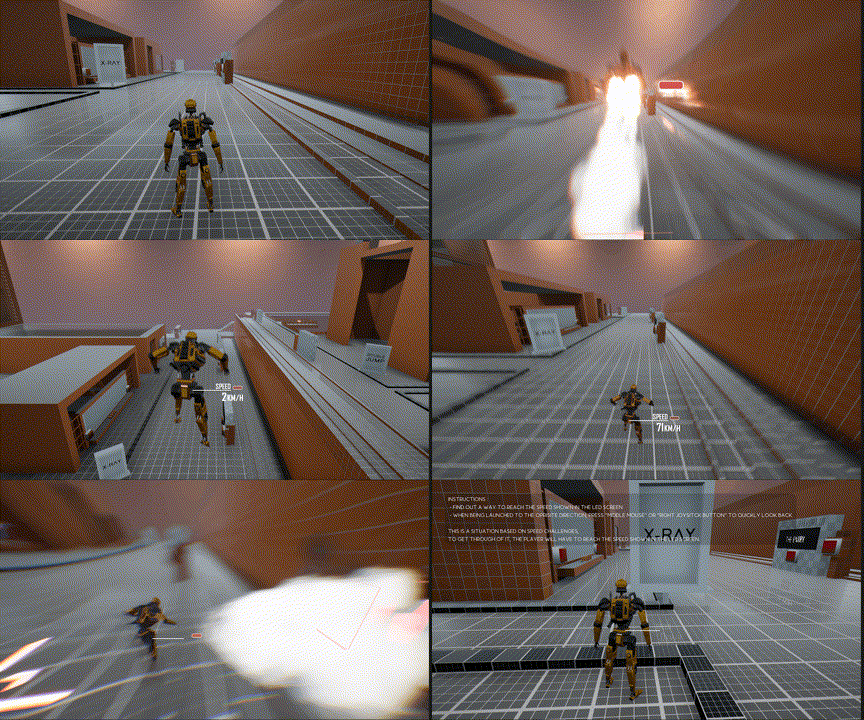
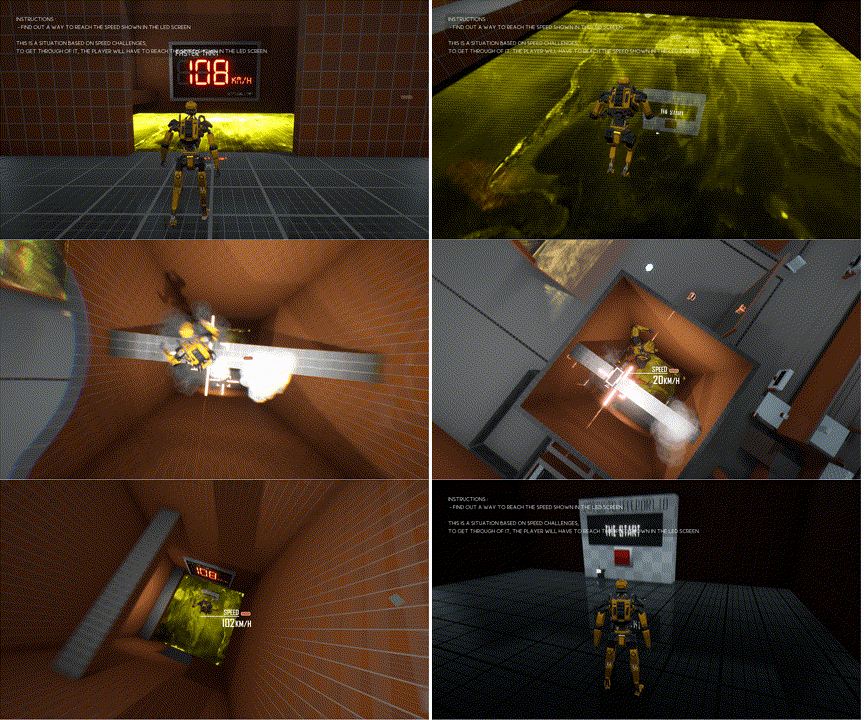
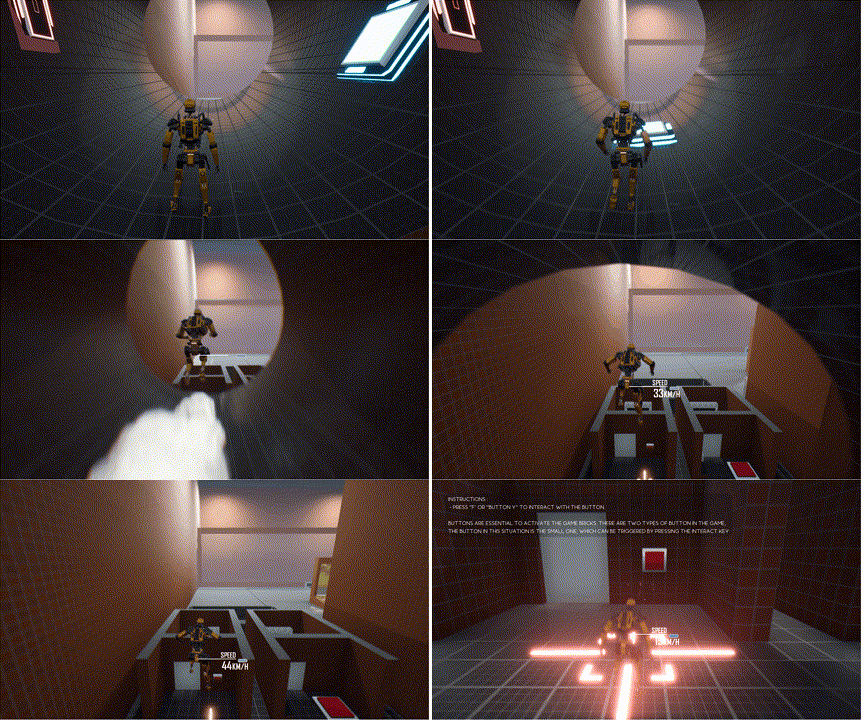
Developed reusable interactive level design objects (LDOs) such as buttons, elevators, doors, and speed challenges to validate mechanics and scale content efficiently.
Implemented readability and discovery tools (scan-based visibility, trajectory cues) to help players form a mental model of high-speed interactions.
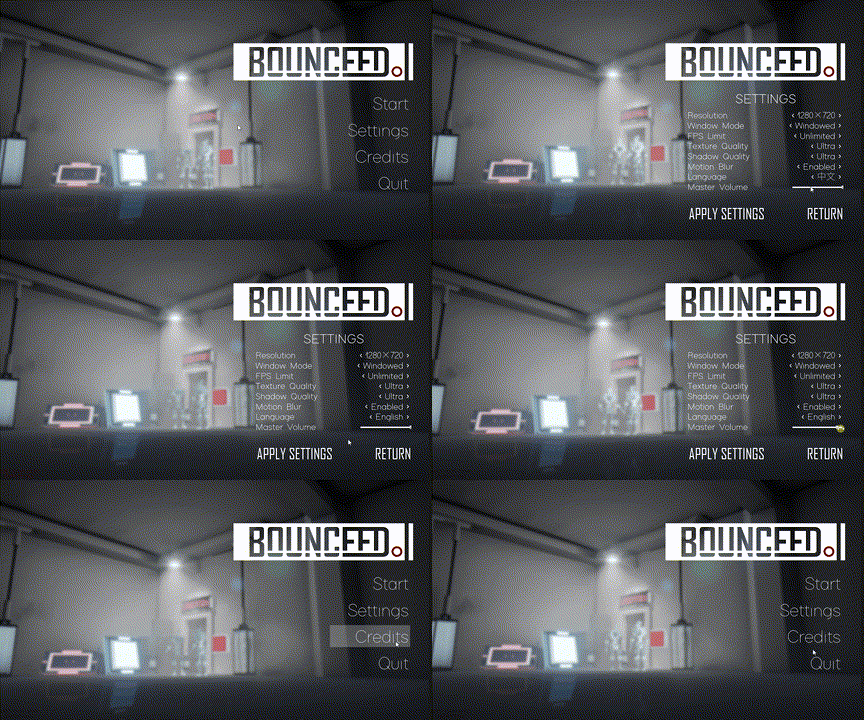
Completed a post-course Gold polish pass, fixing deferred bugs and adding settings and bilingual localization (EN / Chinese).

Key Design & Tech Challenges
Two problems shaped most of my work.
Onboarding a high-speed sandbox so first-time players can learn it
Problem: early playtests showed the core mechanic was fun, but players could not infer the rules, so they assumed randomness.
What I did: structured onboarding in a hub map (Basic then Advanced), plus Metrics and Speed Challenge LDOs to make outcomes measurable and comparable.
Why it mattered: movement systems need a teachable ramp, otherwise they do not communicate skill progression.
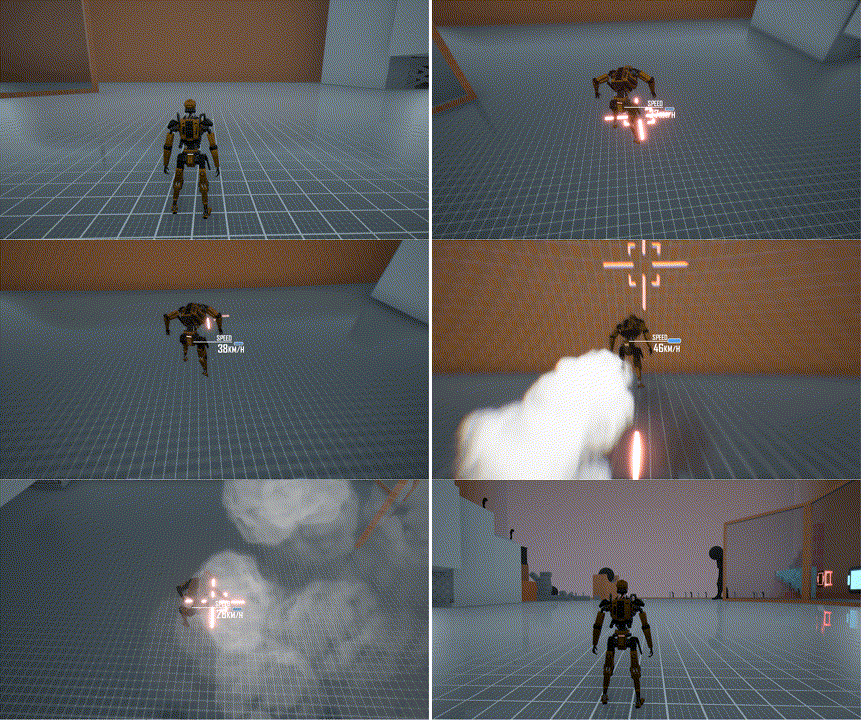
Blue JumpPad (All Direction), consistent launches under velocity stacking across floor, wall, and ceiling placements
Problem: Blue pad stacks player velocity, so placement orientation and surface type magnify small differences. Floor logic applied to ceiling did not produce expected results, and wall or corner placements could create direction flips that players read as bugs.
What I did:
Split launch rules by placement surface using a placement-time trace and the hit normal, routing to dedicated logic for floor, wall, and ceiling cases.
Preserved player intent during chaining by using smoothed movement intent and a low-intent fallback, so near-stationary launches do not feel jittery.
Added post-launch landing feedback via PredictProjectilePath, reducing trial-and-error when chaining or rebounding at speed.
Why it mattered: jumppads are the core gameplay brick. If outcomes drift across placements, players stop experimenting, and the sandbox loses its mastery loop.
Inside the Project
Systems, decisions, and how things actually worked.
Project: BOUNCEED (ISART Digital Paris, Third-year “3C project”, later continued as a Gold polish pass)
Genre: 3rd-person movement sandbox, light shooter interactions, puzzle-like traversal challenges
Platform: PC
Engine: Unreal Engine 4.27
Primary input: Keyboard + Mouse
Team: 1 (solo dev)
Duration: 6 weeks (course sprint) + ~3 weeks (post-course Gold polish)
Shipped scope: a hub-style sandbox map, no strict win condition by design
Tutorial runtime: Basic ~10 min, Advanced ~12 min
Hub structure:
Basic Tutorial, isolated movement and single-pad lessons (demo, then test)
Advanced Tutorial, pad mixing, Speed Challenge LDO, Tracing Beam Pistol, final combined test
Level Zone, extra mechanic demos not fully tutorialized
Sandbox Zone, experimental and unfinished content (enemy prototypes without AI)
Metrics Zone, a calibration space to measure movement outcomes (single jump, chained jumps, etc.)
Public traction: ~160K views, ~10K likes, ~1.4K comments on Bilibili