Comet's Wayfaring Odyssey
3D physics-based puzzle adventure · Unreal Engine 5.3 · PC
My Role
Technical Game Designer
Later acted as Project Manager, coordinating scope and implementation with faculty supervision.
Project At a Glance



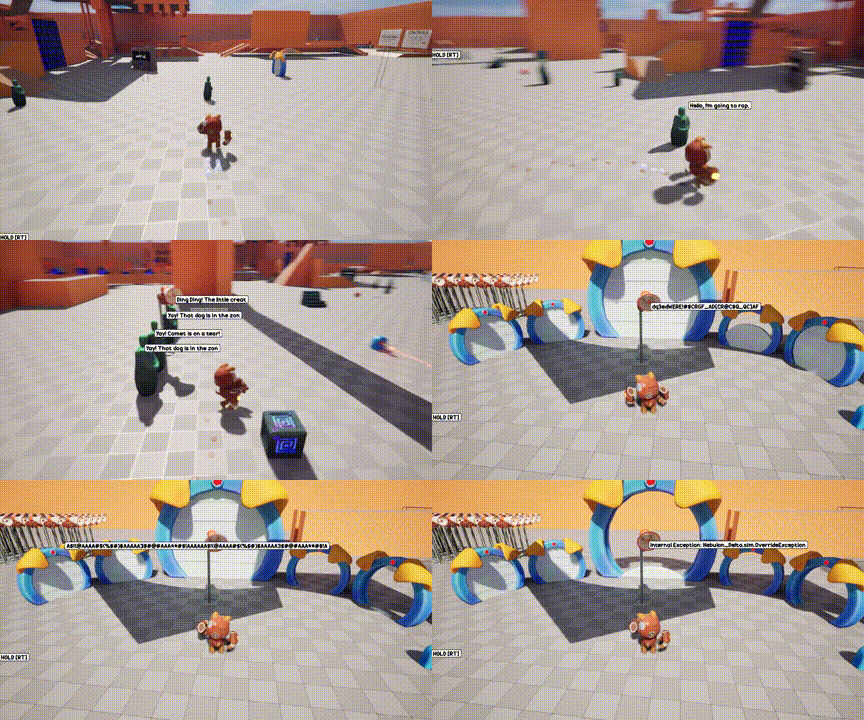
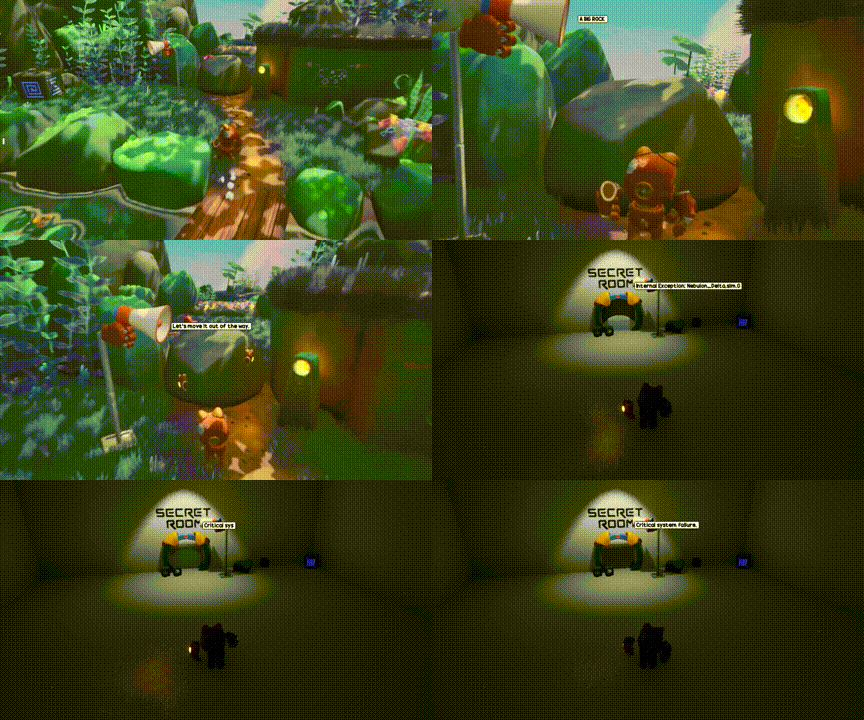
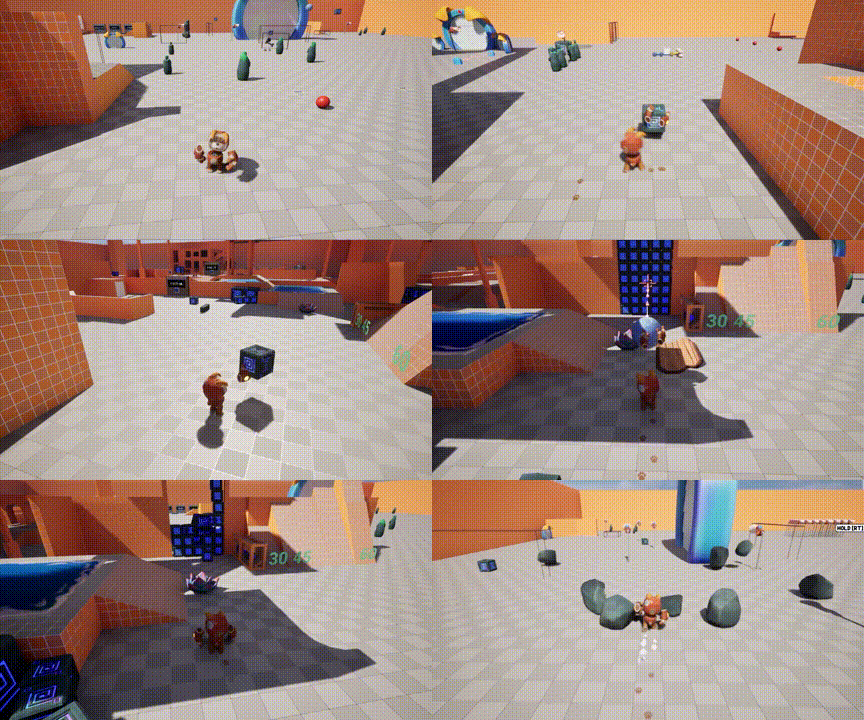
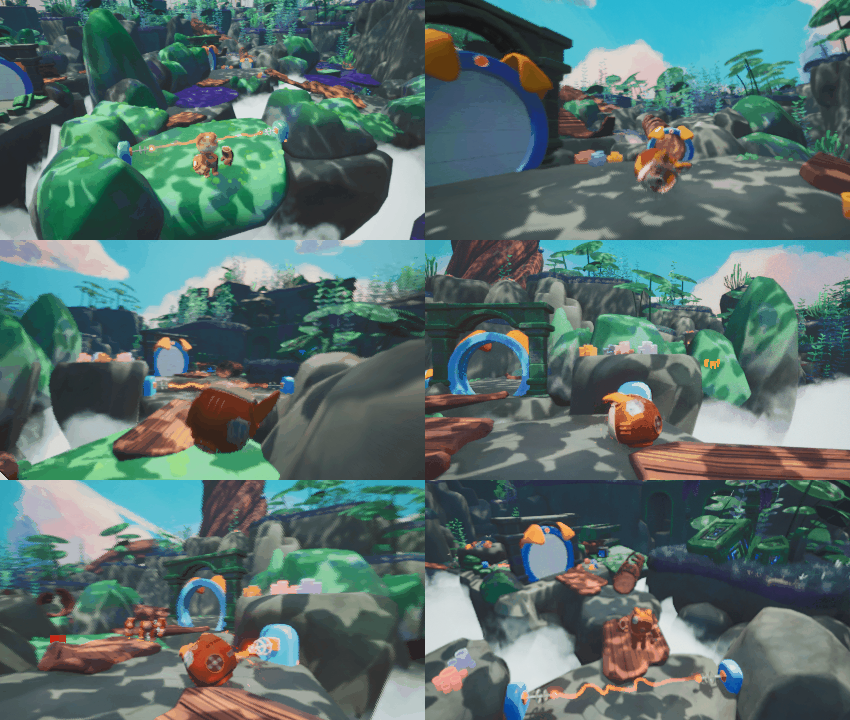
Play as a mech-dog trainee on an alien training planet, solving environmental puzzles by detaching your head and using it as a physics controller.
Project Information
Type: Graduation project
Genre: 3D physics-based puzzle adventure
Engine: Unreal Engine 5.3
Platform: PC
Team Size: 6 members (5 Game Designers, 1 Artist)
Duration: ~10 months
Highlights
ISART Montréal: “Coup de cœur des Professionnels” 2024

What I Built
My Contributions
I owned the core gameplay feel and the systems that let designers build levels fast.
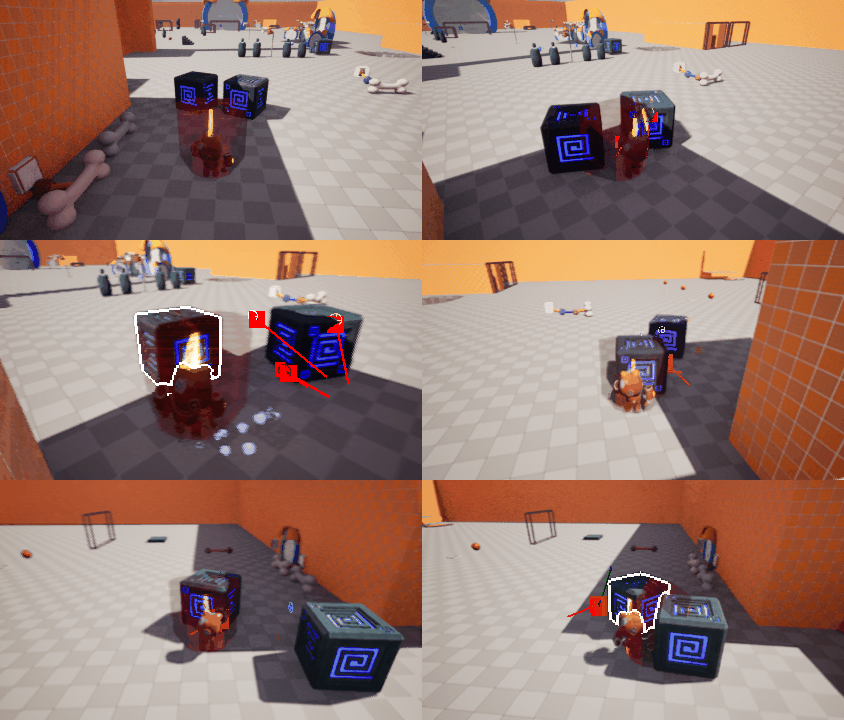
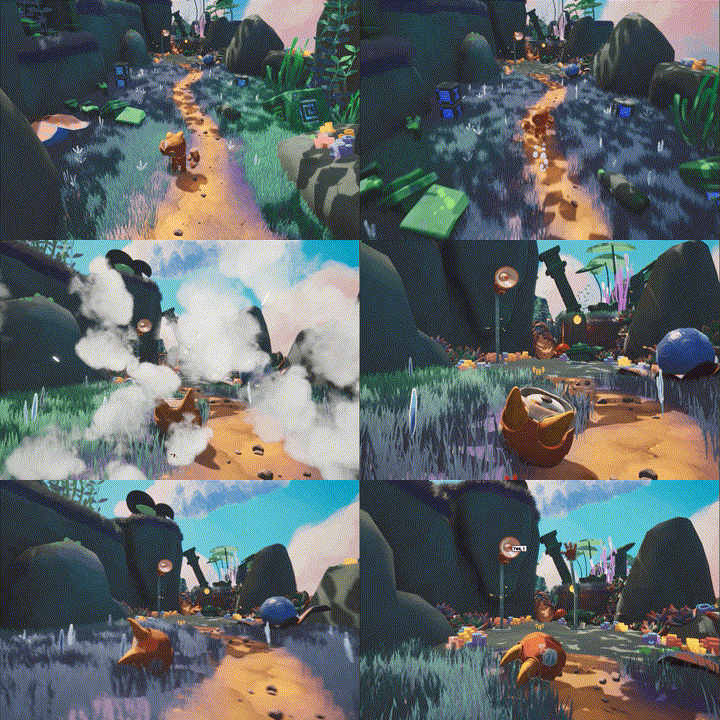
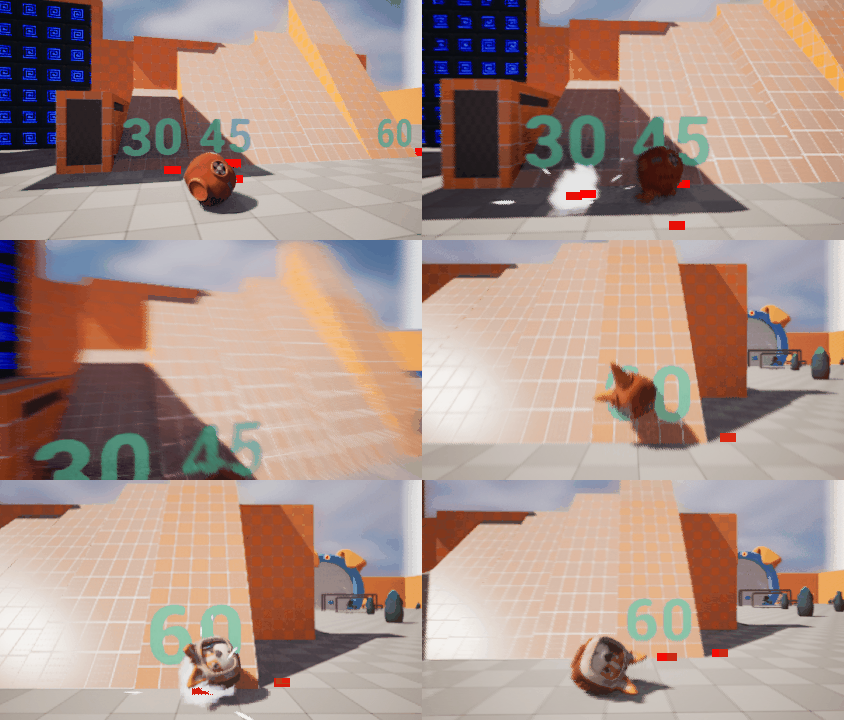
Built the dual-controller third-person 3C: a tanky mech body, plus a detachable physics head(able to switch seamlessly), tuned mainly for gamepad play (keyboard and mouse supported).
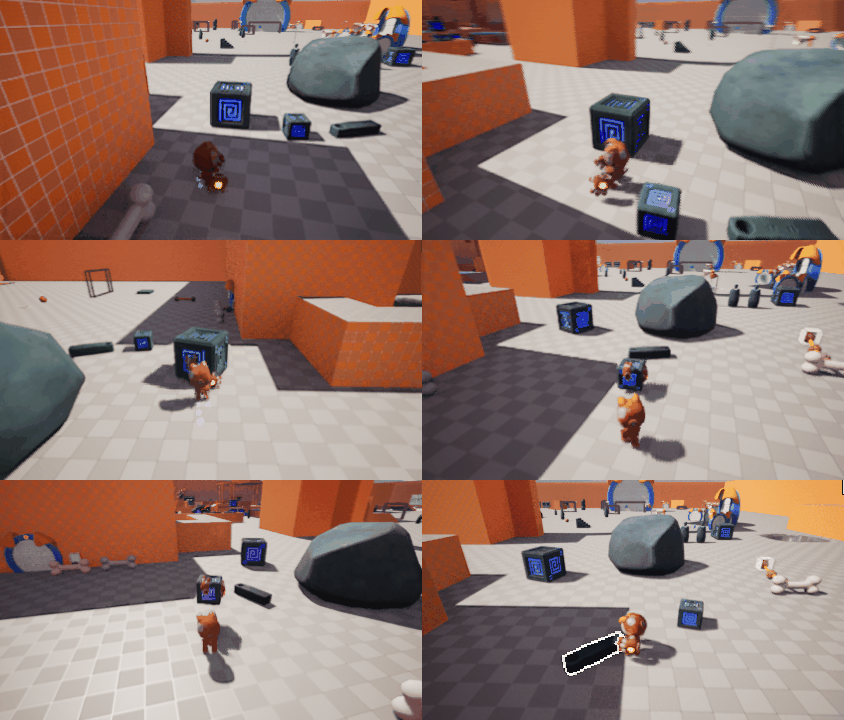
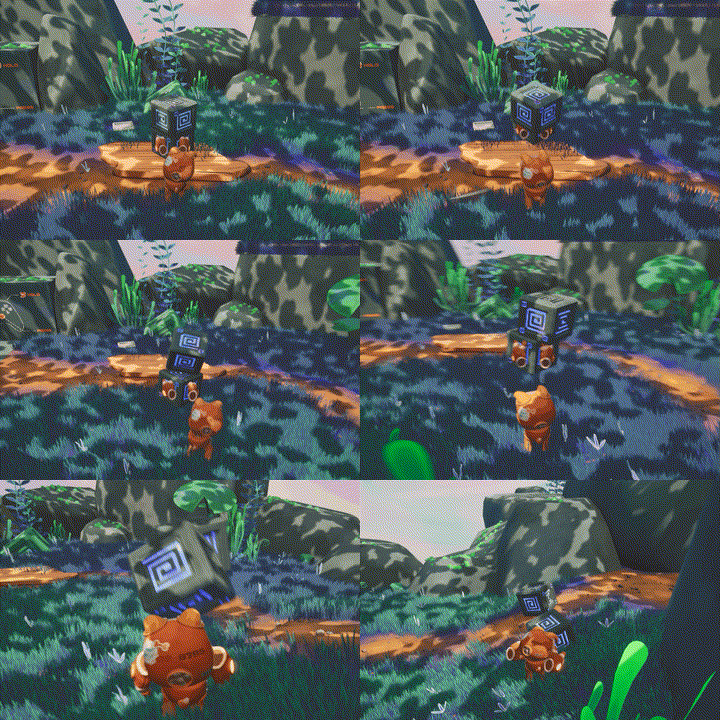
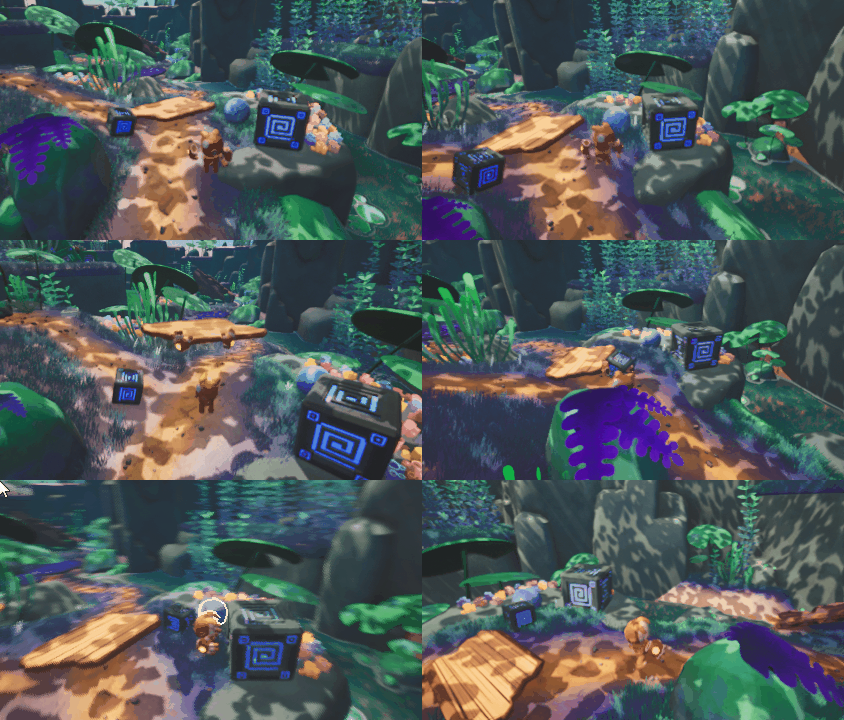
Created a reusable physics interaction framework (“Grabbable + Hands”), using UE5 Physics Control, with data-driven grab points so designers could grab, stack, and throw props without hardcoding.
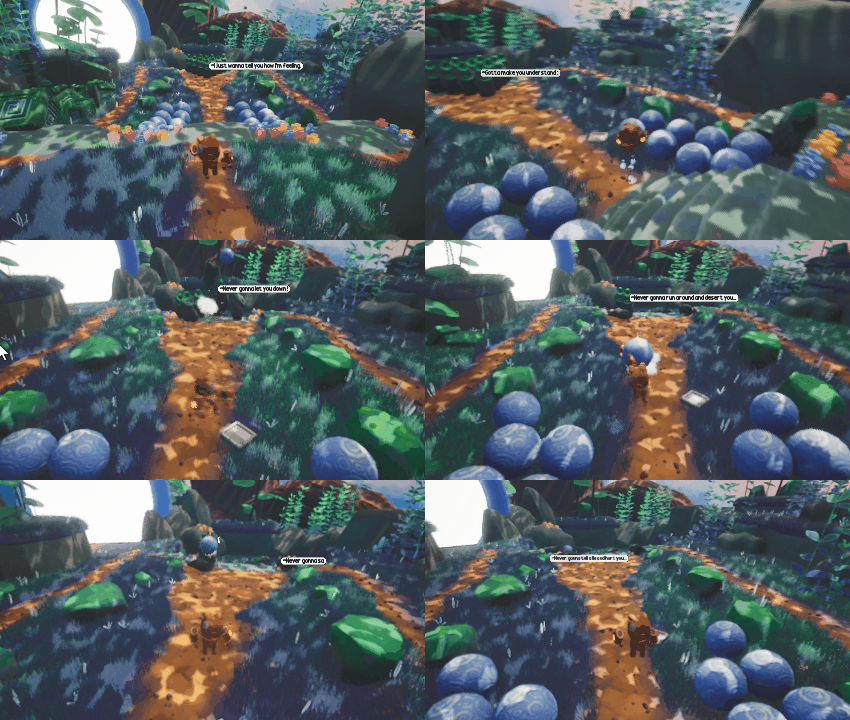
Built a DataTable-driven dialogue and scripted-event backbone, dialogue lines could trigger doors, water behavior, camera beats, and other level events through a simple interface pattern.
During the Alpha rescope, refactored fragile one-off logic into a more modular Blueprint setup (parent BPs, interfaces, function libraries, event dispatchers), then added debug views and short onboarding notes for the team.
Later acted as project manager and project-level tech coordinator, I helped the team cut scope, align implementation, and actually ship a polished slice.
Key Design & Tech Challenges
Two problems shaped most of my technical work on this project.
Stable, readable physics grabbing on arbitrary shapes
Problem: fully simulated props look cool, but they can feel messy, hands can jitter, and the “two robot hands” animation can break fast.
What I did: used UE5 Physics Control, plus a data-driven grab-point setup and a simple solver so the system can pick a good left and right hand pair consistently.
Why it mattered: level designers could add new props by placing points and tuning a few values, no core logic changes.
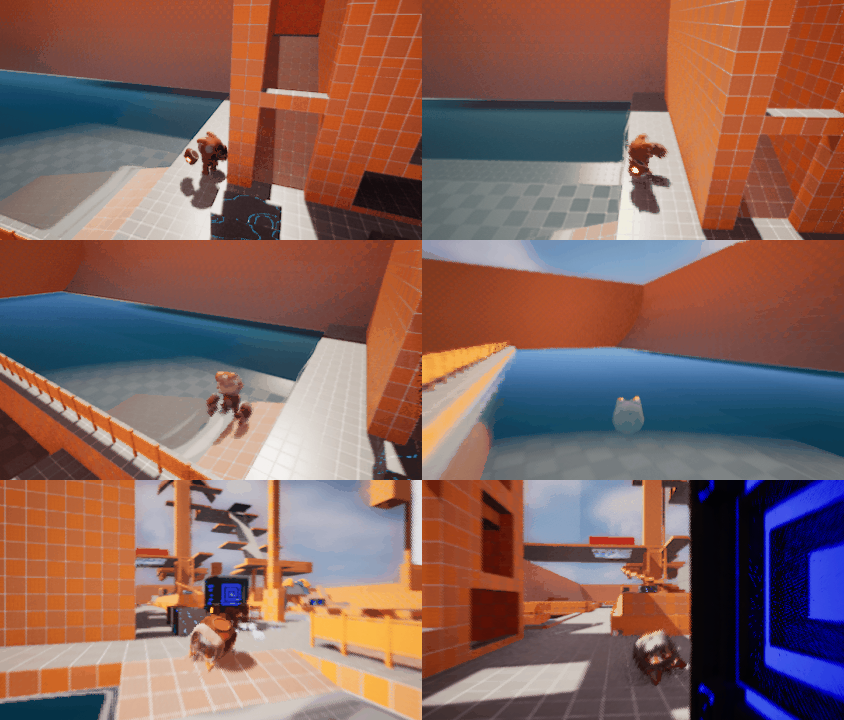
Water as environment context, not a binary hazard
Problem: a kill volume is simple, but it does not create interesting decisions.
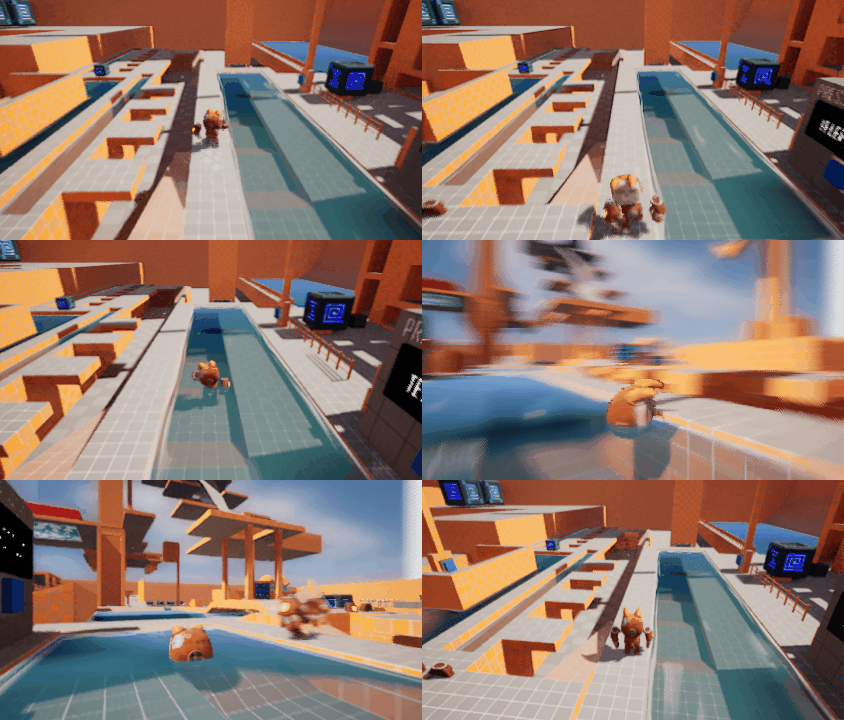
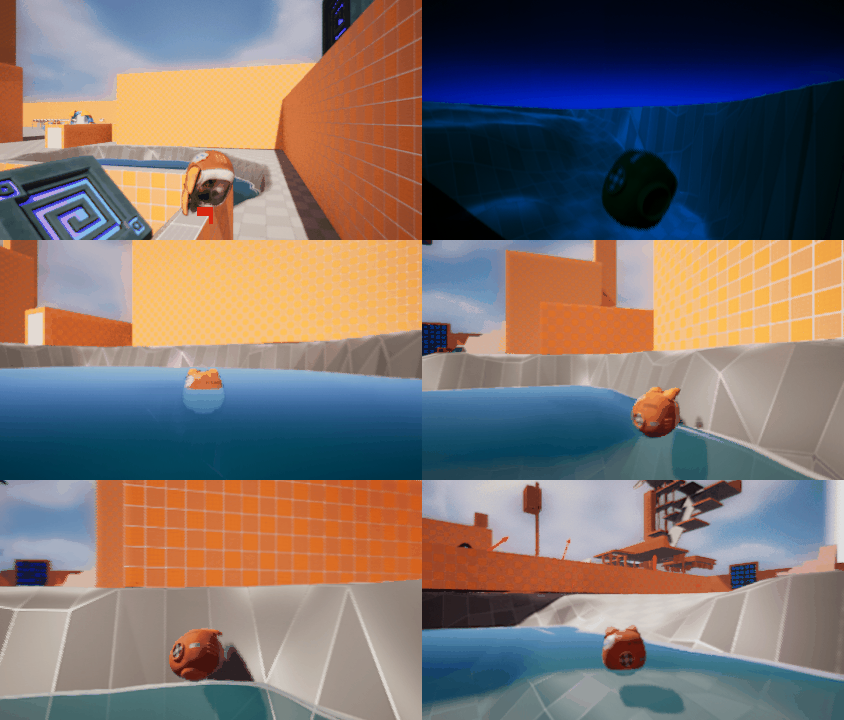
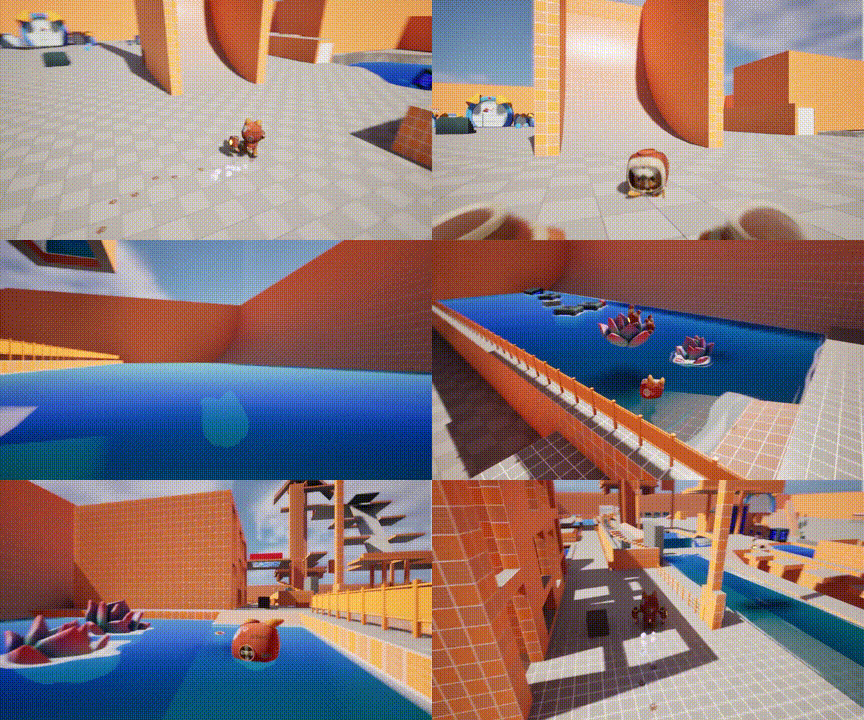
What I did: turned water into a context layer, it slows the mech to warn the player, forces head-only traversal at deeper zones, and pushes players to build paths with props.
Why it mattered: water became a teaching tool and a puzzle constraint, not just “touch water, you die”.
Inside the Project
Systems, decisions, and how things actually worked.
Project: Comet’s Wayfaring Odyssey (graduation capstone)
Genre: 3D physics-based puzzle adventure
Platform: PC, single-player
Engine: Unreal Engine 5.3
Primary input: gamepad-first (keyboard and mouse supported)
Team: 6 (5 Game Designers, 1 Artist)
Duration: ~10 months, with a major rescope after Alpha
My role: Technical Game Designer, later project manager and project-level tech coordinator
I owned: dual-controller 3C, physics interaction framework (UE5 Physics Control), DataTable-driven dialogue and scripted events, water context system, debug tooling
Shipped: ~15-minute vertical slice, tutorial + 3 themed levels, story-driven scripted events, 2 endings
Recognition: ISART Montréal “Coup de cœur des Professionnels” (2024), BAFTA Student Awards Games longlist (2025), Unreal Academic Partner Student Showcase (2025)